Papain for Seafood Processing and Shrimp Yield Improvement | Shellshift Marine
Shellshift Marine supplies papain options for shrimp peeling support, seafood texture control, yield protection, and cold-chain processing workflows.
Request pricing Shellshift Marine supplies papain options for shrimp peeling support, seafood texture control, yield protection, and cold-chain processing workflows.
Request pricingShellshift Marine supplies papain for processors that need cleaner shell release, controlled seafood texture, and repeatable yield outcomes without slowing the cold chain. If you are evaluating an enzyme supplier for shrimp peeling and seafood processing, our role is practical: help your plant trial papain safely, define operating windows, and scale only when the numbers hold on your line.
Papain is a plant-derived proteolytic enzyme from papaya latex. In seafood processing, it can be used as part of controlled brine, soak, or treatment workflows where selective protein modification supports peeling, texture adjustment, or downstream handling. The value is not magic chemistry. The value is a tighter process: less mechanical abuse, more consistent product movement, and fewer surprises at grading, packing, and freezing.
Papain may be considered for operations handling shrimp, squid, fish portions, roe-adjacent byproducts, or mixed seafood streams where texture and surface protein behavior affect throughput.
Common processing objectives include:
Shellshift Marine does not treat papain as a one-size input. We match the enzyme format and handling guidance to your species, process temperature, contact time, brine chemistry, and equipment layout.
Shrimp peeling performance is won or lost across small variables: raw material condition, shell adhesion, thaw profile, brine control, belt dwell time, machine setting, and operator intervention. Papain can support the process by weakening targeted protein interactions at the shell-meat interface when used under controlled conditions.
For plant managers, that can translate into measurable operational targets:
The key is control. Over-treatment can soften texture, reduce bite, or create quality drift. Under-treatment will not justify the added step. Shellshift Marine helps define a trial plan that finds the usable window between those two problems.
Beyond peeling, papain can be used where processors need controlled tenderization or texture adjustment. This may apply to selected seafood preparations, value-added items, marinated formats, or trim streams where uniformity matters.
We focus on texture outcomes your quality team can verify:
Because papain acts on proteins, the process must be engineered around your product. Temperature, exposure time, contact uniformity, and rinse or stop steps can all influence the finished result.
Papain belongs in a disciplined process, not an uncontrolled dip tank. Shellshift Marine supports seafood plants with safeguards built around cold-room realities.
Cold processing helps protect quality, but it also changes enzyme response. We help evaluate papain under your actual thaw, brine, room, and product temperatures instead of assuming warm-bench behavior will translate to production.
Dwell time must be consistent. Belt speed, basket load, agitation, and product depth can all change exposure. We help identify where your line may create uneven treatment before scale-up.
Salt level, pH, dissolved solids, and carryover from previous steps can affect performance. We review your process environment so papain is not blamed for variation caused by upstream control gaps.
A clear endpoint matters. Depending on the application, your workflow may require rinse, chilling, dilution, cook step, or other control measures to protect texture and labeling requirements.
Papain is plant-derived, but processors still need documentation, traceability, and internal regulatory review. Shellshift Marine provides commercial documentation for purchasing, QA, and production approval.
We work like a technical supplier, not a catalog listing. Before quoting, we ask for enough process context to recommend the right papain format and support a meaningful plant evaluation.
Useful information includes:
From there, we can support a trial structure with clear comparison points: control run, papain-treated run, inspection results, yield check, texture review, and operator feedback.
A quote from Shellshift Marine can include the recommended papain format, packaging options, documentation availability, and technical guidance for a controlled production trial. We can also discuss supply planning for seasonal shrimp runs, export-oriented production, and multi-shift cold-chain plants.
We do not push generic enzyme use. We help you decide whether papain earns its place in the process.
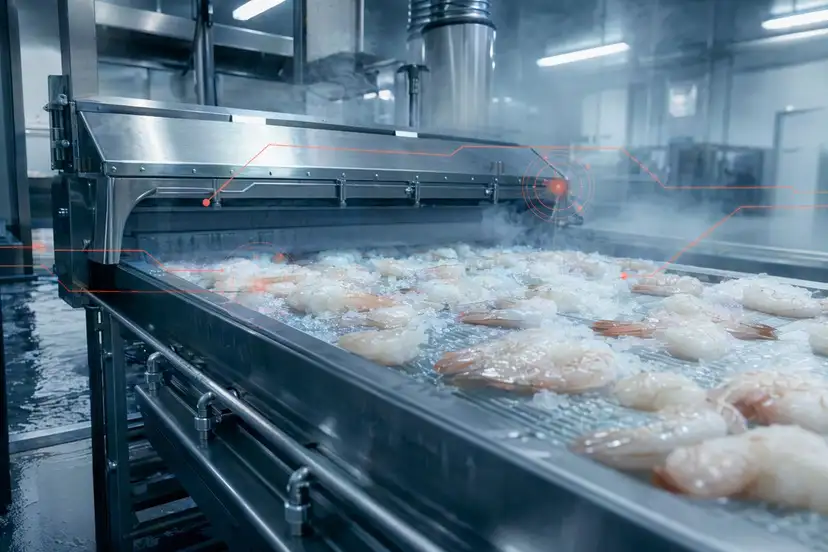
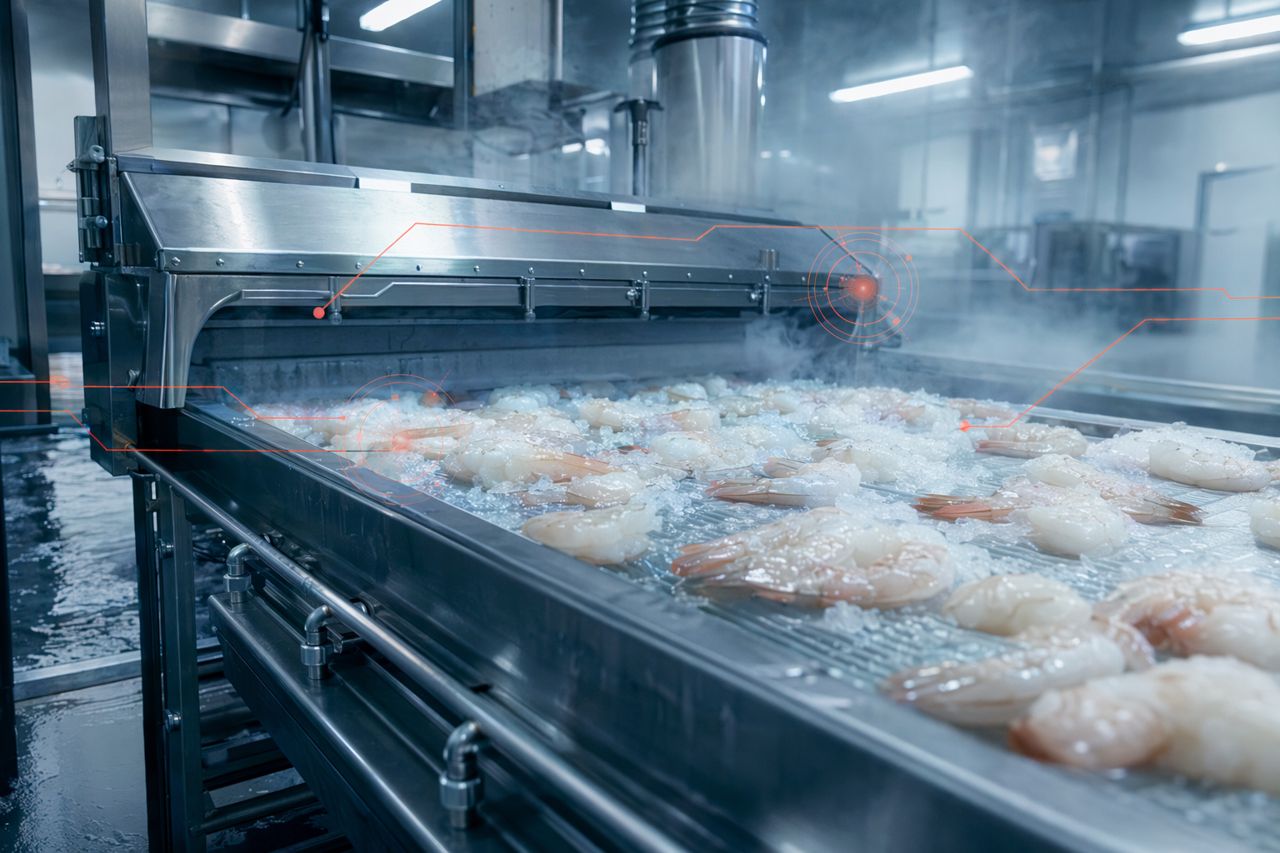
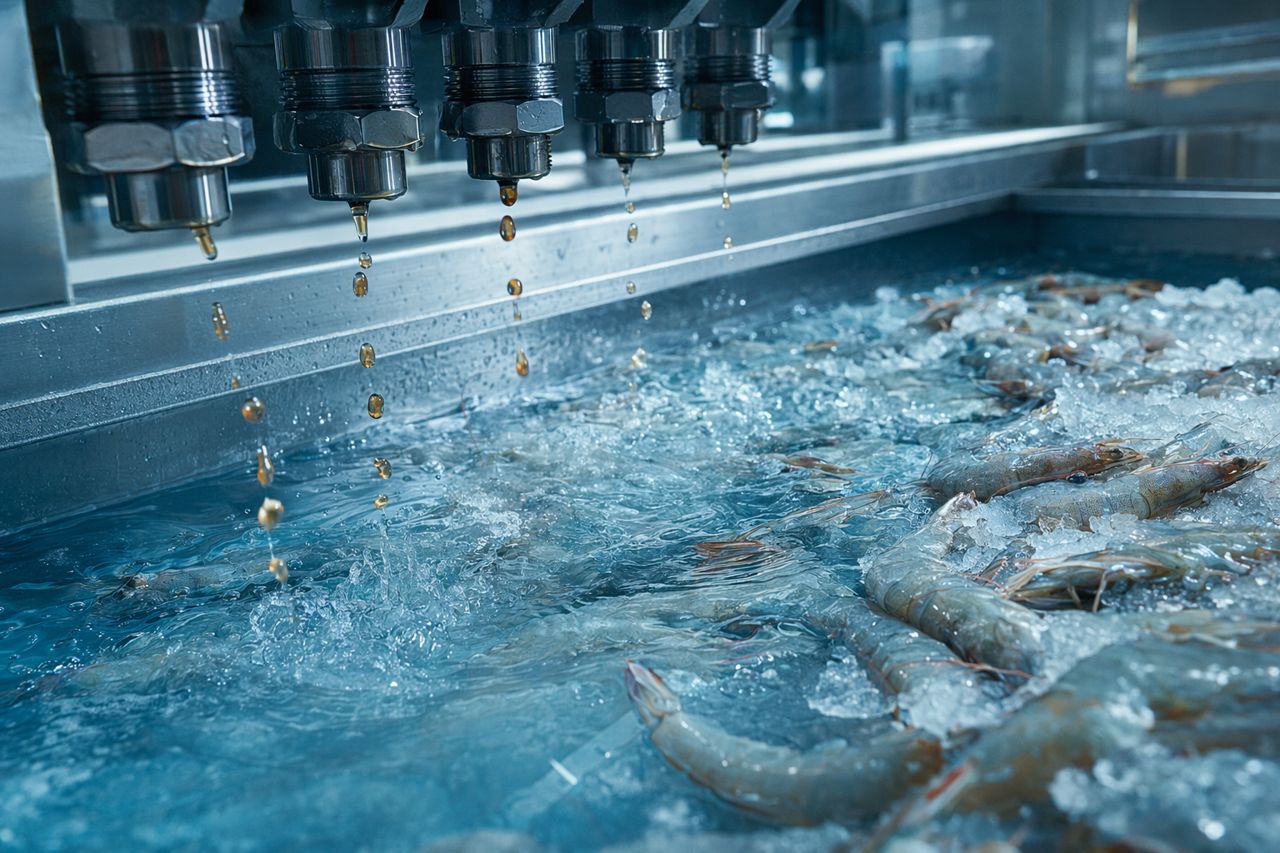
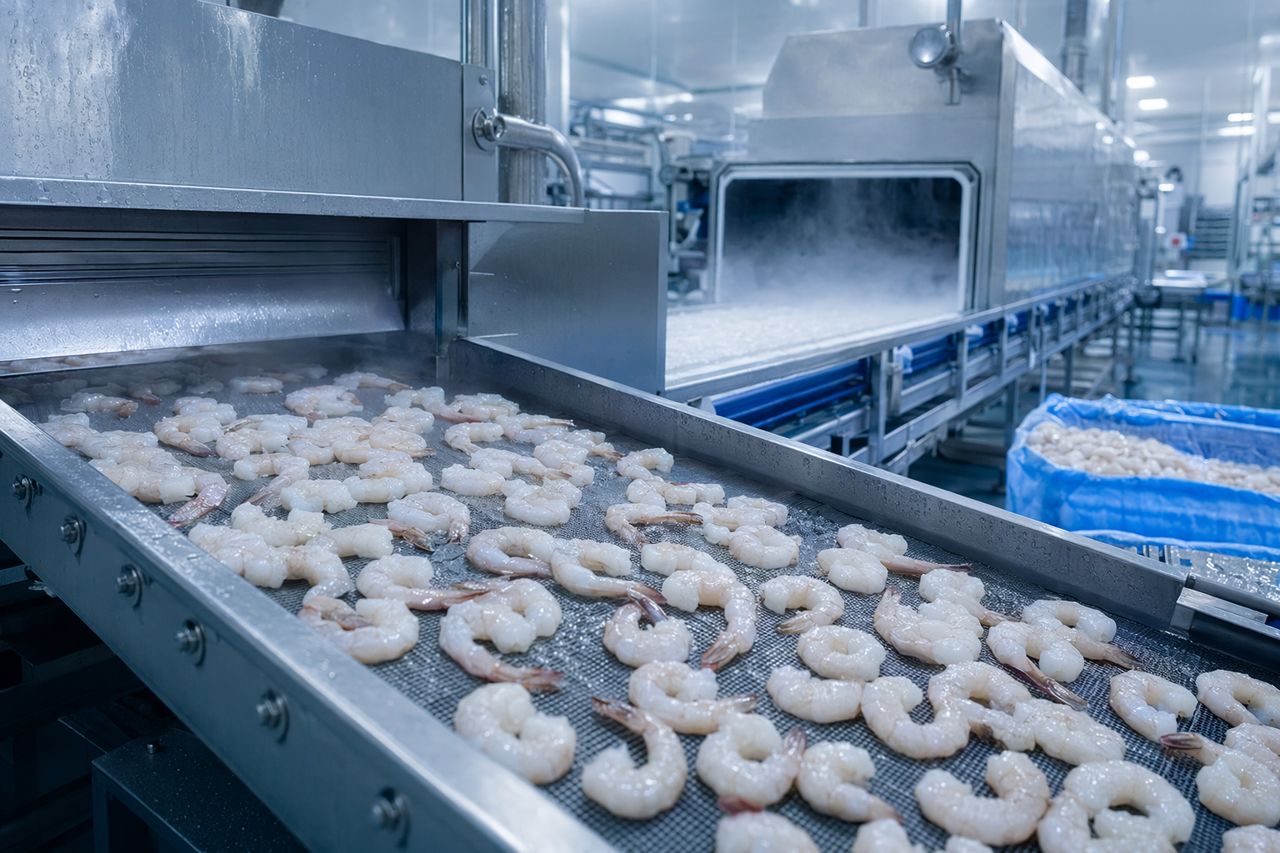
Embed the Shellshift Marine faceless explainer here: cold-room conveyors, stainless brine tanks, enzyme dosing visuals, shell-release motion lines, and plant-floor results. No avatar. Voiceover and on-screen subtitles should match the script provided for this page.
If you are improving shrimp peel quality, reducing manual trim, or testing papain for seafood texture control, send your process details through the on-site quote form. Shellshift Marine will review your application and respond with a practical supply recommendation.
Tell us your application and volume — we reply with pricing and lead time.