Shrimp Peeling Enzyme Supplier for Frozen Seafood Plants
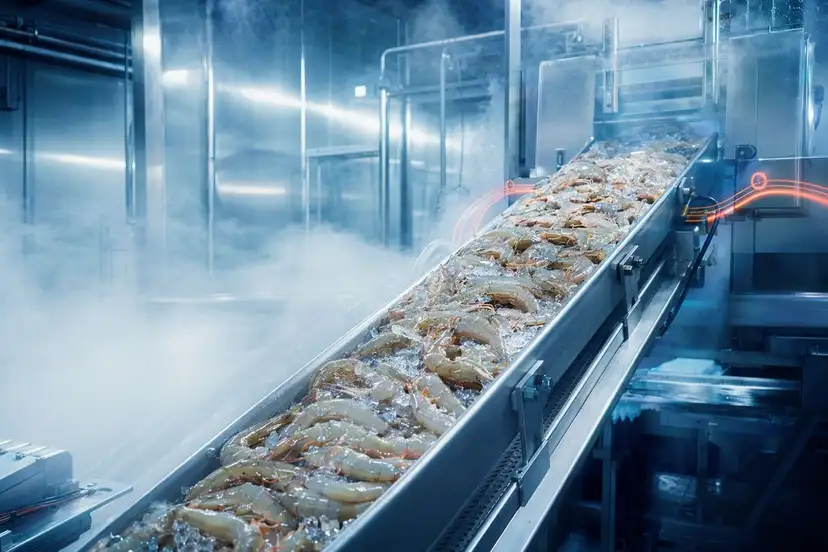
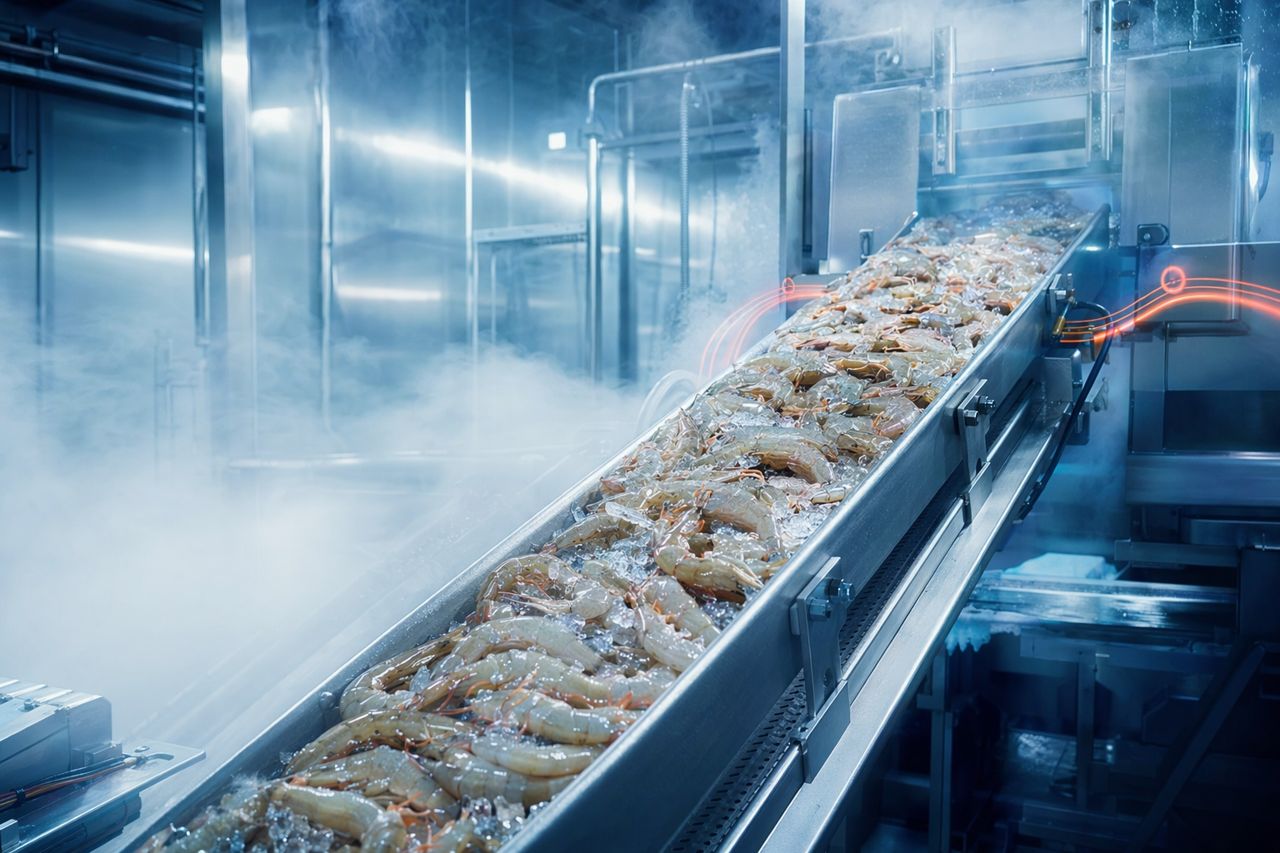
Shellshift Marine supports cold-chain seafood processors that need faster, cleaner shrimp peeling without sacrificing bite, appearance, or finished yield. As an enzyme supplier for shrimp peeling and seafood processing, we help plants evaluate protease, papain, and bromelain systems for controlled shell-release assistance across frozen, thawed, and chilled process flows.
Our focus is practical: better peel quality, less mechanical damage, tighter temperature control, reduced rework, and more consistent throughput on the line.
Enzyme-Assisted Peeling Built for Cold-Chain Operations
Shrimp peeling is a balance of biology, temperature, time, and mechanical handling. Push too hard and you lose texture. Run too mild and the shell stays tight, labor rises, and downstream grading becomes inconsistent.
Shellshift Marine works with seafood plants to define enzyme use around real operating targets:
- Cleaner shell separation with fewer broken tails and torn surfaces
- Reduced peeling pressure and less aggressive mechanical action
- Consistent texture across variable raw material lots
- Better yield control from receiving through final pack
- Shorter line interventions and fewer adjustment cycles
- Compatibility with chilled brine, cold-room handling, and sanitary production routines
Protease, Papain, and Bromelain: How Processors Compare Options
Different enzyme families can assist shell release, but each behaves differently in seafood processing conditions. The right choice depends on shrimp species, shell condition, harvest season, thaw profile, brine chemistry, hold time, and the plant’s tolerance for texture change.
Protease Systems
Protease-based solutions are often evaluated for broad protein-targeting performance and process flexibility. In shrimp peeling, the goal is controlled loosening at the shell-muscle interface while protecting muscle firmness.
Plant teams typically assess:
- Shell-release improvement at existing line temperatures
- Texture retention after peeling, chilling, and packing
- Surface appearance after mechanical handling
- Consistency across lots with different shell adhesion
- Fit with brine tanks, soak stages, or pre-peel conditioning steps
Papain Options
Papain is considered when processors want targeted softening behavior under controlled exposure. It can be useful in peeling assistance, but it must be managed carefully to avoid excessive softening or surface weakening.
Evaluation should focus on:
- Peel assistance without mushy texture
- Controlled exposure windows
- Rinse-out behavior before downstream handling
- Finished product bite after cold storage
- Performance on shell-on shrimp with variable raw material condition
Bromelain Options
Bromelain can offer a different processing profile and may be reviewed where shell-release support is needed with careful attention to texture and process timing. Like papain, it requires disciplined control.
Key evaluation points include:
- Shell loosening under chilled or moderate process conditions
- Surface integrity after peeling machines or hand-finish steps
- Compatibility with plant hold times and brine management
- Lot-to-lot repeatability
- Impact on finished product appearance and grade
Designed Around Your Line, Not a Generic Formula
A cold-chain seafood plant is not a laboratory bench. Your enzyme decision must survive production realities: variable raw shrimp, tight room temperatures, sanitation windows, labor constraints, and customer specifications.
Shellshift Marine helps define the operating envelope before recommending an enzyme system. We review:
- Shrimp species, size range, and shell condition
- Frozen block, IQF, or chilled incoming format
- Thawing and tempering method
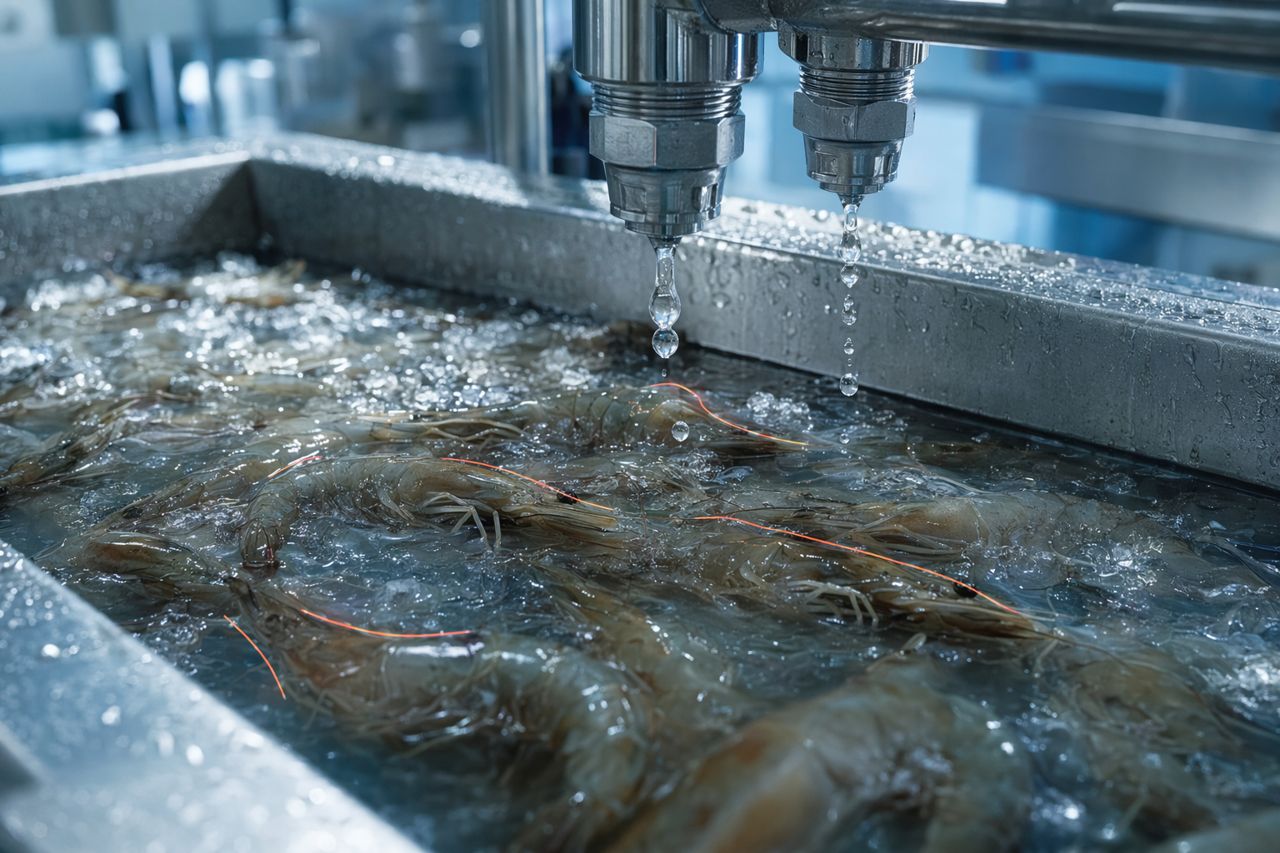
- Brine composition and temperature range
- Soak or contact time available before peeling
- Peeling equipment type and mechanical intensity
- Target finished texture, glaze, pack format, and grade
The result is a practical recommendation for plant trials, not a theoretical ingredient suggestion.
What Better Peeling Means on the Plant Floor
When enzyme-assisted peeling is properly controlled, processors can see operational gains across the line.
Higher Usable Yield
Cleaner shell release can reduce meat loss, tail damage, gouging, and unnecessary trim. Even small improvements in usable yield matter when running high-volume frozen shrimp programs.
Less Labor Pressure
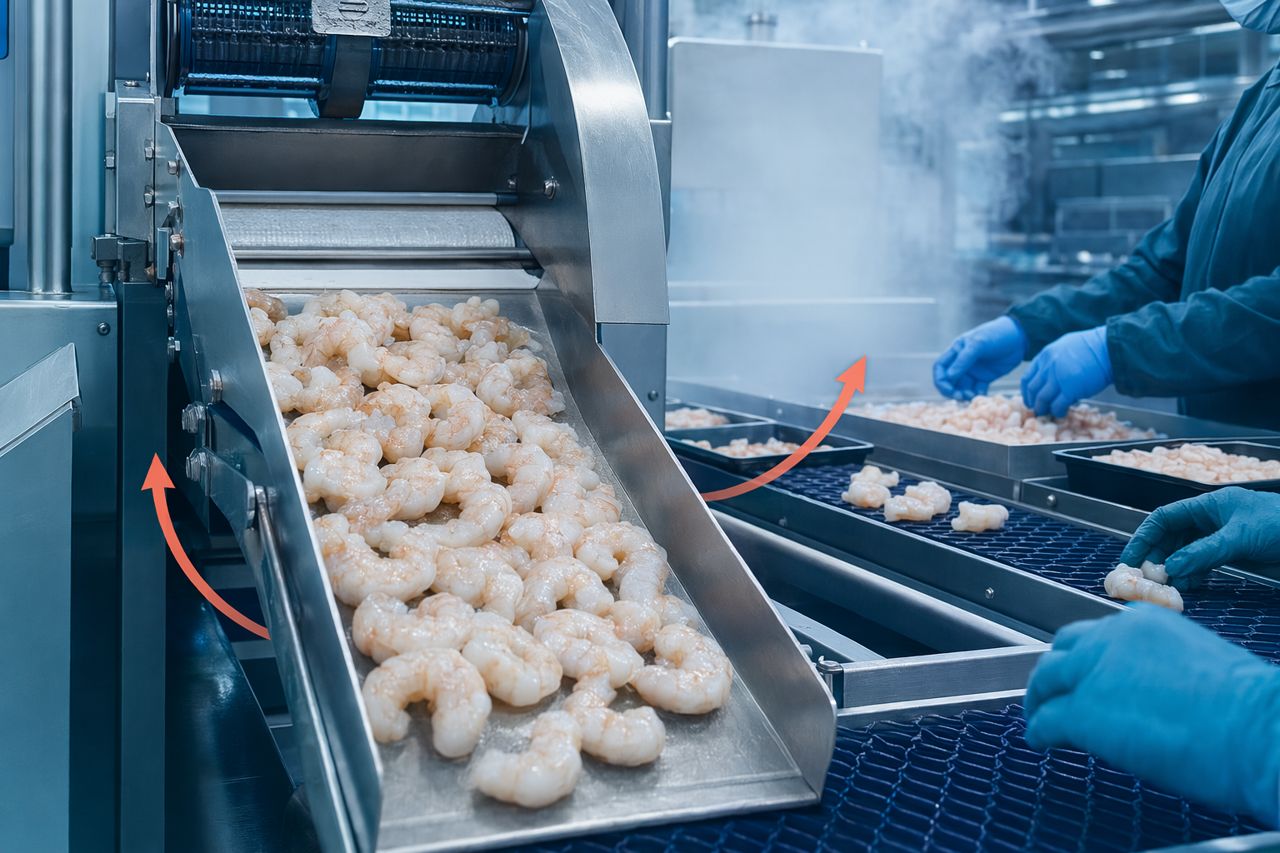
If shells release more consistently, hand-finish teams spend less time correcting tight peel, broken segments, or incomplete shell removal. That can help stabilize shift output during labor-constrained production.
Smoother Throughput
A controlled enzyme step can reduce stop-start adjustments at peeling equipment and help maintain predictable flow into inspection, grading, freezing, or packing.
Better Texture Control
The target is not simply faster peeling. It is controlled shell release while maintaining firm, clean shrimp texture that survives chilling, handling, and final customer evaluation.
Plant Trial Support
Shellshift Marine supports structured trials that help your team compare enzyme options under realistic conditions. We help you set up a trial matrix around the factors that matter most:
- Raw material lot condition
- Cold-room and brine temperature stability
- Contact time before peeling
- Shell-release score
- Texture and bite after processing
- Visual quality and surface integrity
- Yield recovery and downgrade rate
- Line speed, rework, and labor observations
This approach helps purchasing, QA, production, and operations make a confident decision from plant data.
Built for Seafood Processing Beyond Peeling
Shrimp peeling is often the first concern, but enzyme strategy can influence the wider seafood processing flow. Shellshift Marine can support discussions around pre-treatment, cleaning support, byproduct handling, and process optimization where enzyme use can reduce friction without compromising cold-chain discipline.
We help processors keep the core priorities aligned: food safety, product quality, temperature control, sanitation compatibility, and commercial yield.
Why Shellshift Marine
Shellshift Marine is built for seafood processors that need a technical supply partner, not a catalog listing. We speak in terms of production fit, raw material variability, and finished product requirements.
You get:
- Direct technical discussion with seafood-processing context
- Enzyme recommendations matched to shrimp species and process flow
- Support for protease, papain, and bromelain evaluation
- Practical trial planning for cold-chain plants
- Commercial supply conversations tied to plant demand and repeatability
- A quote process focused on your line conditions and target outcome
Request a Quote
If your plant is evaluating enzyme-assisted shrimp peeling, tell us what you process, how your peeling line is configured, and what outcome you need to improve.
Request a quote using the on-site contact form and Shellshift Marine will respond with a practical supply and trial discussion for your cold-chain seafood operation.