Shrimp Enzyme Trial Protocol Built for Cold-Chain Production
A shrimp peeling enzyme trial should not feel like a lab exercise dropped into a live plant. It should protect throughput, keep cold-chain discipline intact, and give your team clear evidence on yield, peel quality, texture, labor impact, and downstream handling.
Shellshift Marine supports processors that need a controlled, plant-floor trial before production adoption. As an enzyme supplier for shrimp peeling and seafood processing, we help structure the trial around your raw material, current peeling method, brine or process flow, operator routines, and sign-off requirements.
The goal is simple: determine whether enzyme-assisted shell release can improve peel performance without compromising texture, appearance, temperature control, or line reliability.
Request a quote for a shrimp enzyme trial
What the Trial Should Prove
A useful plant trial answers operational questions your production, quality, and procurement teams can agree on:
- Does shell release improve with less mechanical force?
- Is tail, segment, or body damage reduced?
- Does peeled yield improve against the current process baseline?
- Are texture, bite, and surface appearance maintained?
- Can operators run the process without extra downtime or handling complexity?
- Does the treatment fit existing cold-chain controls?
- Are downstream steps such as rinsing, grading, freezing, packing, or value-added processing unaffected?
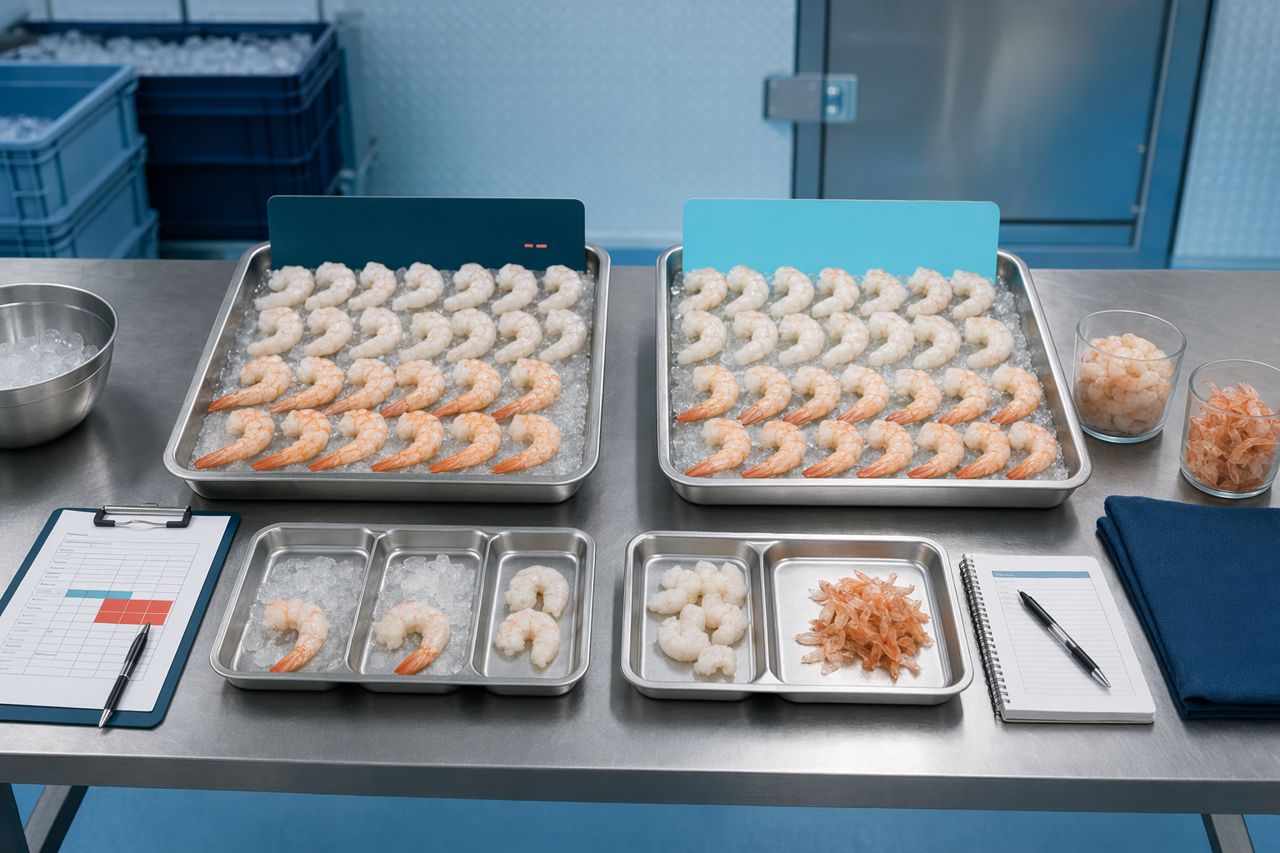
We frame the trial so the result is not subjective. The comparison is made against your normal process, using defined batches, clear observation points, and production-relevant acceptance criteria.
Recommended Trial Structure
1. Define the Production Objective
Start with the issue the plant wants to solve. Common objectives include:
- Higher peeled yield from raw or cooked shrimp
- Cleaner shell separation during manual or mechanical peeling
- Lower labor pressure in hand-peel operations
- Reduced breakage, gouging, and surface tearing
- More consistent texture across incoming lots
- Better flow into freezing, packing, breading, marination, or ready-to-cook lines
The objective controls the trial design. A yield-focused trial will track mass balance closely. A texture-focused trial will emphasize handling checks, bite assessment, and visual scoring. A labor-focused trial will track peel speed, rework, and operator fatigue signals.
2. Select Representative Test Batches
Do not run the first trial on perfect raw material only. The test should include shrimp that reflects your real purchasing and processing conditions.
Recommended batch selection factors:
- Species and size range
- Head-on or headless condition
- Raw, blanched, or cooked process status
- Shell hardness and seasonal variation
- Fresh, chilled, or thawed condition
- Supplier lot differences
- Target product format
The control batch should run through the plant’s current method. The enzyme test batch should match the control as closely as practical so the comparison is credible.
3. Lock Cold-Chain Controls Before the Trial
Enzyme-assisted peeling must be evaluated inside the plant’s food safety and quality system, not outside it. Before the trial starts, define:
- Approved cold-room and product temperature targets
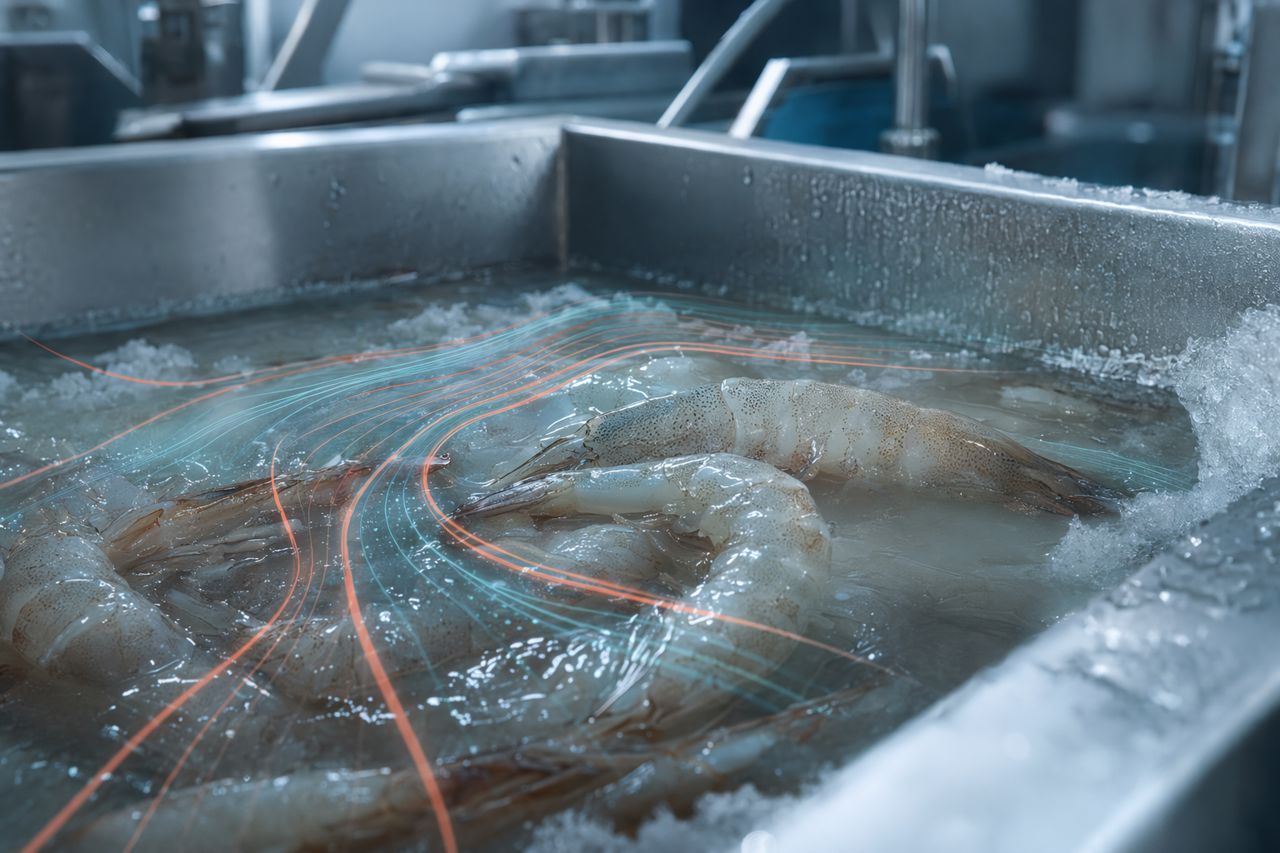
- Brine or treatment vessel handling procedure
- Hold-time limits set by the plant
- Lot identification and segregation method
- Rinse, drain, and transfer steps
- QA release points
- Sanitation and allergen control requirements where applicable
The trial should never create uncontrolled dwell time or warm handling. Shellshift Marine helps adapt the protocol to your existing cold-chain flow rather than forcing a new process layout.
Core Observation Points
Shell Release
Operators and QA should evaluate shell release at defined points in the process. Score how easily the shell separates, where sticking remains, and whether the enzyme treatment reduces force during peeling.
Useful observations include:
- Shell lift at segment edges
- Tail and leg release behavior
- Sticking around body curves
- Peel resistance during manual or mechanical removal
- Consistency across the batch
Peel Quality and Mechanical Damage
Improved shell release only matters if product appearance and integrity are protected. Record visible damage during and after peeling:
- Broken bodies
- Torn surfaces
- Gouges from mechanical action
- Tail damage where tail-on products are required
- Over-soft or rough surface condition
- Excessive drip or handling stress
Texture and Bite
Texture should be checked by trained plant personnel using the same quality expectations applied to commercial production. The enzyme trial should support easier peeling without creating mushy, weak, or over-treated product.
Texture review can include:
- Firmness during handling
- Bite consistency after normal processing
- Surface feel after rinse and drain
- Performance after freezing and thawing, if relevant
- Suitability for downstream value-added processing
Yield Measurement
Yield tracking should be simple enough for the plant to repeat. Define the weighing points before the run begins and apply the same method to control and enzyme-treated batches.
Common tracking points include:
- Incoming batch weight
- Post-treatment weight
- Peeled usable weight
- Shell and waste stream weight
- Rework quantity
- Reject quantity
- Packed or finished product weight
The final result should show whether enzyme-assisted peeling improves usable recovery, reduces losses, or stabilizes yield across variable raw material.
Trial Sign-Off Criteria
A successful trial should meet production, quality, and commercial requirements together. Sign-off criteria may include:
- Equal or better peeled yield versus baseline
- Reduced peel resistance or labor burden
- Equal or better finished appearance
- No unacceptable texture softening
- No disruption to cold-chain control
- No increase in downtime, cleaning burden, or rework
- Compatible flow into freezing, packing, or further processing
- Clear operator instructions for repeat production
If the trial does not meet the target, the next step may be adjustment of treatment point, addition method, process timing, rinse sequence, or raw material selection. The protocol is designed to make those decisions visible.
Where the Enzyme Fits in the Plant
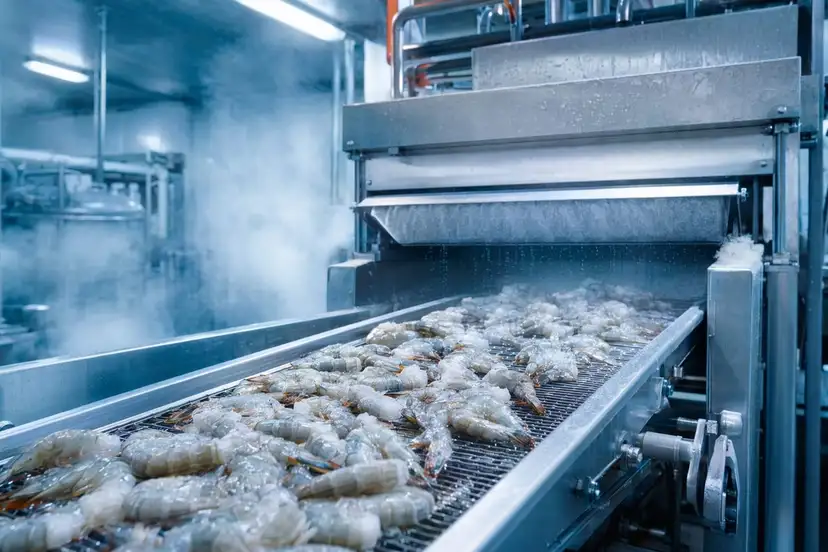
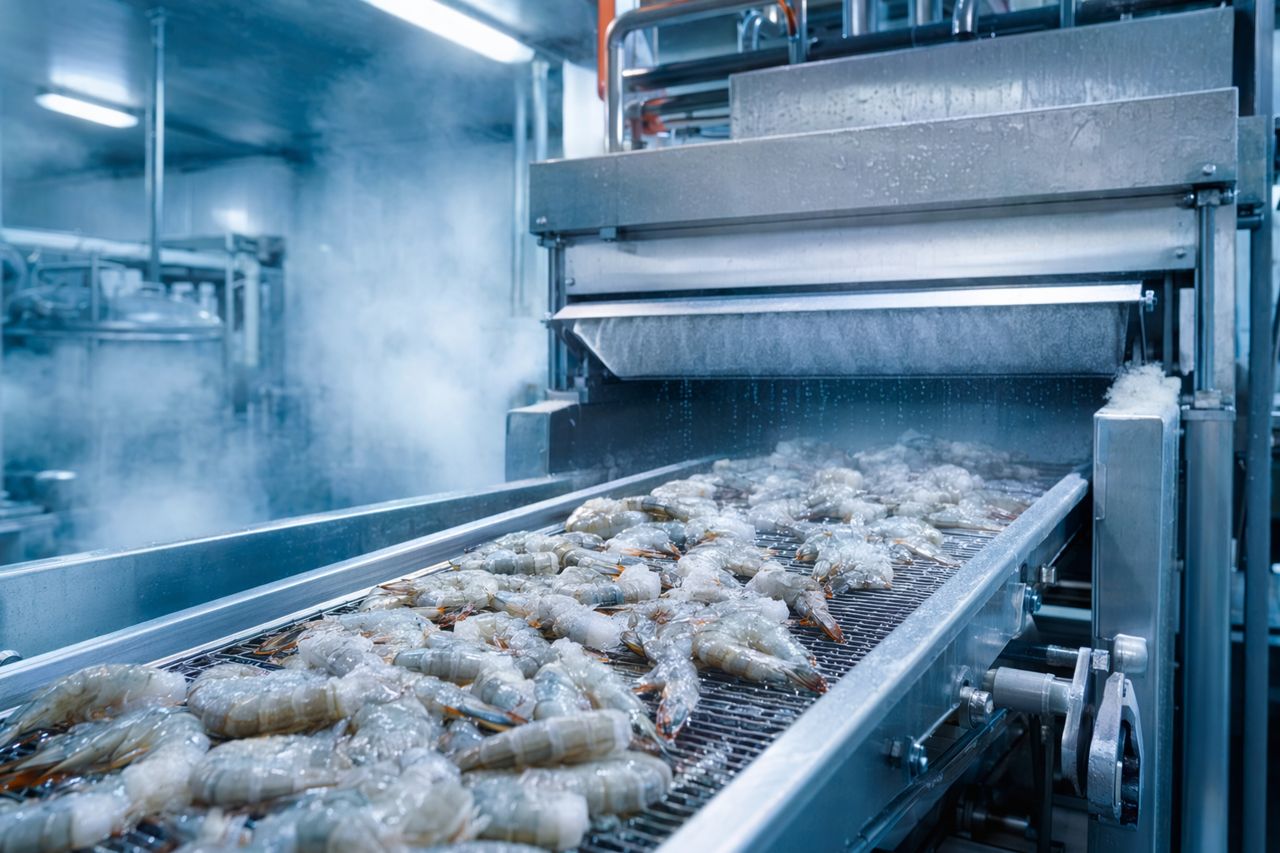
Depending on the plant layout, enzyme treatment may be evaluated around brine handling, controlled soak, pre-peel conditioning, or other approved process points. The best location depends on product temperature, available dwell time, equipment geometry, sanitation rules, and how the peeling line is staffed.
Shellshift Marine works with your team to identify the least disruptive fit. The right trial should use existing stainless equipment where possible, avoid bottlenecks, and keep operators focused on normal production flow.
Documentation Package for Procurement and QA
For B2B approval, the plant usually needs more than a good test run. We help structure documentation around the decisions your team must make:
- Trial objective and batch plan
- Control versus treated comparison
- Handling and cold-chain checkpoints
- Yield and quality summary
- Operator feedback notes
- Recommended production conditions
- Scale-up considerations
- Quote and supply planning for repeat use
This gives production, QA, and purchasing one shared basis for approval.
Request a Quote for a Plant Trial
If your plant is evaluating enzyme-assisted shrimp peeling, Shellshift Marine can help you set up a structured protocol and quote the appropriate supply plan for your trial volume and production schedule.
Use the on-site request form and include your shrimp species, process type, current peeling method, target product format, and main objective.
Request a quote
Quote Request Form